

“You cannot manage what you do not understand, nor can you effectively regulate what you have not sufficiently studied.”
The Free Trade Zone (FTZ) scheme is a dynamic global economic instrument, constantly evolving with international trade, technology, investment patterns, customs procedures and regulatory innovations. Therefore, no country can successfully develop, manage or regulate its Free Zones without continuous training, research, intellectual development and exposure to global best practices.
Management thinker Peter F. Drucker famously observed: “Knowledge has to be improved, challenged, and increased constantly, or it vanishes.” This wisdom is particularly relevant to Nigeria’s Free Zone ecosystem.
Here lies an important paradox: “The more specialised a Free Zone becomes, the more broadly knowledgeable its managers and regulators must be.” Indeed, the special treatment accorded to Free Zones demands not less institutional knowledge, but greater professional competence.
By now, Nigeria, with over three decades of experience in the Free Zone scheme, ought to have established a world-class National Free Trade Zones Training and Research Institute, serving not only Nigerian regulators, operators, developers, Customs officers and other stakeholders, but also becoming a regional centre of excellence for West Africa and beyond.
Such an institute should provide professional certification, executive training, policy research, international exchange programmes and continuous capacity development, drawing upon successful global experiences.
We cannot aspire to compete with the world’s leading Free Zones while remaining intellectually disconnected from the knowledge and innovations that sustain their success.
Training must therefore cease to be treated as an occasional expenditure and become a strategic investment in the future of Nigeria’s Free Zone scheme.
The time to act is now. Ignorance in regulation is costly; ignorance in management is even more dangerous. What we fail to invest in knowledge today, we may pay for tomorrow through lost investments, regulatory conflicts and missed economic opportunities.
A stitch in time saves nine.
Let us build the knowledge before we attempt to build the institutions, because Free Zones may be established by legislation and infrastructure, but they succeed through knowledge, competence and visionary management.
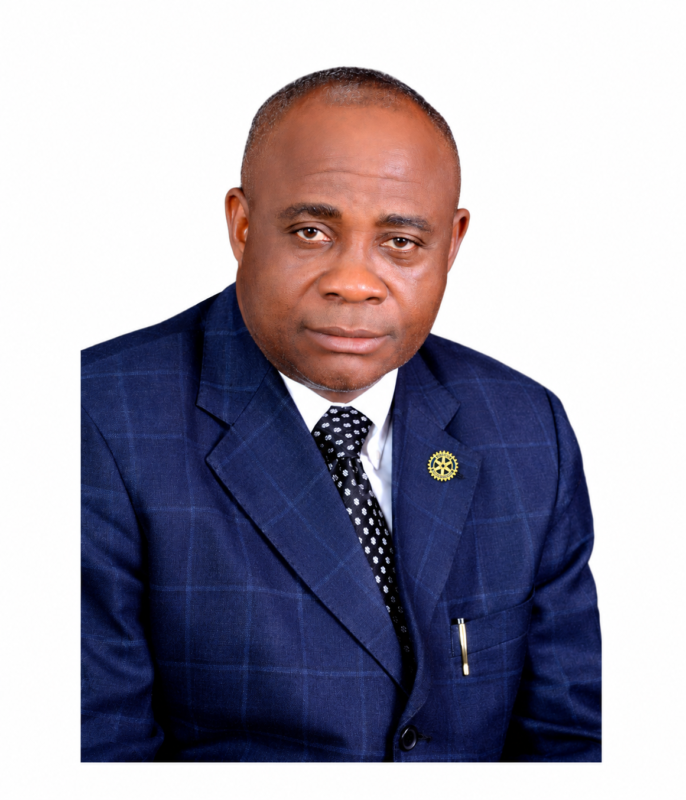
Dr. Chris Okwudili Ndibe
Free Trade Zone Consultant,
Researcher, Author and Trainer
